
The application scope of the Thermal Cycler Gradient PCR Scientific Instrument TC1000-G encompasses a broad range of fields, each leveraging the device's precision and versatility to meet specific research and diagnostic needs.
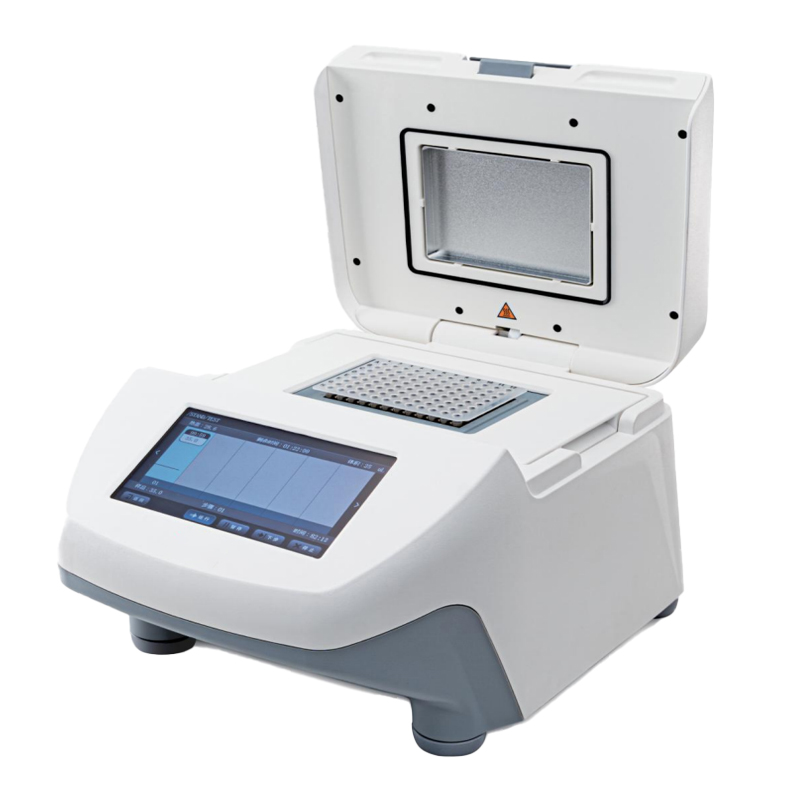
1. Molecular Biology Research
Sequencing: The TC1000-G is vital for preparing DNA samples for sequencing, ensuring that the amplified products are of high quality and suitable for next-generation sequencing platforms.
Gene Cloning: Facilitates the amplification of DNA fragments to be inserted into vectors for cloning, which is fundamental in genetic engineering and synthetic biology.
Gene Expression Studies: Used to amplify cDNA obtained from RNA samples, helping researchers study the expression levels of genes under different conditions.
2. Clinical Diagnostics
Pathogen Detection: PCR is a gold standard for detecting pathogens in clinical samples, including viruses, bacteria, and fungi. The TC1000-G ensures high sensitivity and specificity in diagnostic tests.
Genetic Testing: Enables the amplification of specific gene sequences for diagnosing genetic disorders, carrier screening, and prenatal testing.
Cancer Research: Used in the detection of genetic mutations and alterations associated with cancer, aiding in diagnosis, prognosis, and treatment planning.
3. Biotechnology and Pharmaceutical Industry
Drug Discovery and Development: Supports the identification and validation of genetic targets for new drugs. It can be used to study the effects of drugs on gene expression and mutation rates.
Quality Control: Ensures the genetic consistency of biologically produced pharmaceuticals by amplifying and analyzing specific genetic markers.
4. Agricultural Biotechnology
Genetically Modified Organisms (GMOs): Used to amplify and detect specific genetic modifications in crops and livestock, ensuring compliance with regulatory standards and improving crop traits.
Marker-Assisted Selection: Facilitates the identification of desirable genetic traits in plants and animals, accelerating breeding programs and improving yield and resistance to diseases.
5. Food Industry
Pathogen Detection: Critical for food safety testing by detecting contamination with pathogens like Salmonella, Listeria, and E. coli.
GMO Testing: Ensures accurate labeling of food products by detecting and quantifying genetically modified ingredients.
6. Environmental Science
Biodiversity Studies: Helps in the identification and quantification of different species within an ecosystem through DNA barcoding.
Environmental Monitoring: Used to detect and quantify environmental contaminants and monitor microbial communities in various habitats.
7. Forensic Science
DNA Profiling: Essential for amplifying DNA from crime scene samples, enabling identification of individuals based on genetic evidence.
Paternity Testing: Used to amplify and compare specific genetic markers to determine biological relationships.
8. Educational and Training
Academic Research: Widely used in universities and research institutions for a variety of molecular biology experiments, from undergraduate labs to advanced research projects.
Training Programs: Provides hands-on experience with PCR technology, which is crucial for students and professionals pursuing careers in molecular biology, genetics, and biotechnology.