Preeclampsia is a serious complication of pregnancy and a life-threatening hypertensive disease. The main causes of maternal and fetal death worldwide are postpartum hemorrhage, amniotic fluid embolism, and hypertension. In addition, global preeclampsia has been rising in recent years. Before the onset of severe symptoms, early screening risk assessment has become a consensus among medical experts and can benefit in the nursing process.
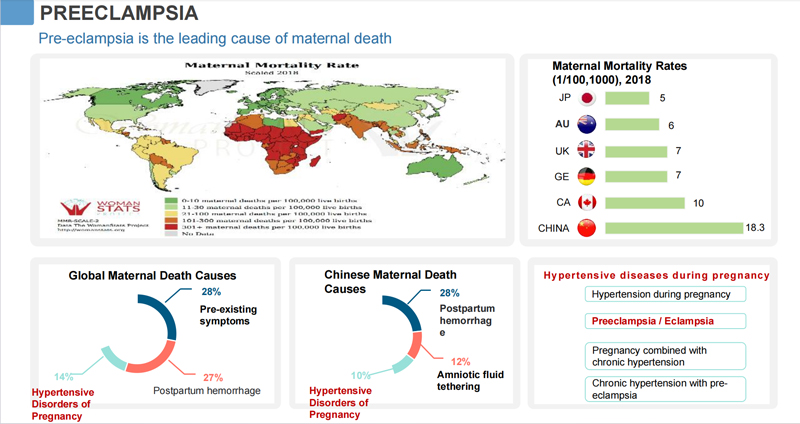
Clinical difficulties: Current clinical preeclampsia prediction and diagnosis pain points (about 40% detection rate)
1. Low prediction accuracy of maternal factors in early pregnancy
High-risk factors: previous history of preeclampsia, chronic kidney disease, autoimmune diseases "SLE,APS", diabetes, chronic hypertension.
Moderate risk factors: first pregnancy, age greater than or equal to 35 years, pregnancy interval >10 years, BMI ≥30 kg/m2 at first visit, family history of preeclampsia, multiple pregnancy.
2. Hypertensive proteinuria diagnosis delays treatment
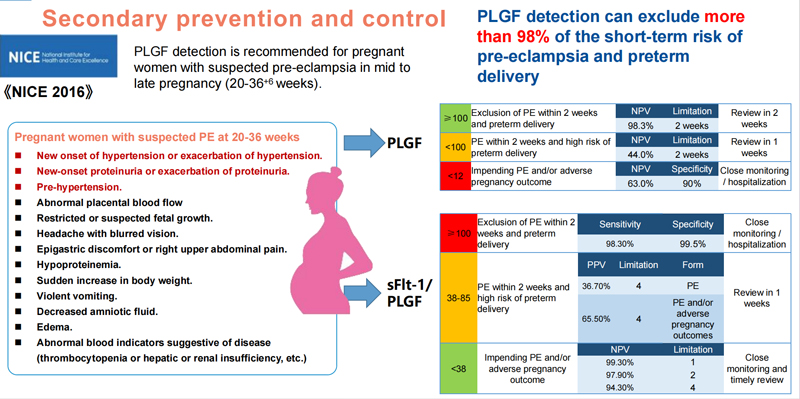
Holistic markers for prevention and control of pre-eclampsia -- PLGF, sFIt-1/PLGF
PLGF-placental growth factor sFlt-1-soluble fms-like tyrosine kinase 1
Causes of PE
PLGF, sFlt-1, and placental development
Biomarkers:
PLGF levels decline significantly starting at 11 weeks of gestation in patients with pre-eclampsia.
sFlt-1 levels begin to rise at least 5-6 weeks before the onset of symptoms and peak at the onset of disease.
Currently, sFIt-1/PLGF is detected internationally. Blood biomarkers use chemiluminescent immunoassay technology, such as international brands such as Thermo Fisher and Roche, and the cost of equipment and reagent consumables is relatively high.
The Chinese iRaTe series immunofluorescence quantitative analyzer is a tool for early screening of preeclampsia risks. It is small and lightweight, and can be quickly used in emergency, bedside diagnosis, small laboratories and community hospitals. The results can be obtained in 12 minutes, greatly improving the level of care and monitoring and assessing risks for doctors. After comparing PLGF with Roche's chemiluminescent immunoassay analyzer, it reached the same international level.
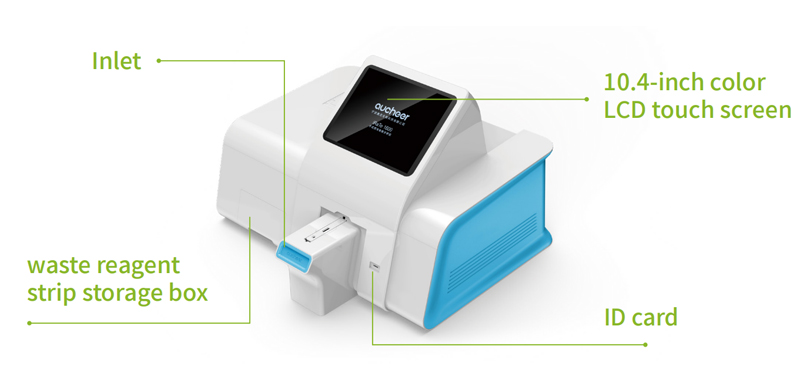
In addition, the iRaTe series also provides AMH bone metabolism, NT-proBNP cardiovascular. FA anemia, renal function damage and other reagents to meet various clinical testing needs, and the equipment and reagents are more cost-effective.
If interested, click "iRaTe PLGF Immunoassay Analyzer"